
Getting Parent Buy-In for Vape Detection: A School Guide to FERPA and Privacy Compliance
- Jun 1
- 3 min read
Updated: Jun 6
Key Points:
Clear and transparent communication is essential when implementing vape detection in schools.
Schools must balance student privacy with their responsibility to provide a safe and healthy environment.
Proactive messaging helps build trust with students, parents, and staff while ensuring legal compliance.
Why Clear Communication Around Vape Detection Matters
Installing vape detectors is only part of the solution. How a school communicates their use can significantly impact how the technology is perceived, and whether it is successful.
Without clear communication, vape detection efforts may be misunderstood as surveillance rather than a health and safety initiative. This can lead to resistance from students and concern from parents.
When done correctly, communication reinforces a simple message: the goal is not to monitor students, it’s to protect them.

Start With the Purpose: Health and Safety
The foundation of any communication strategy should be the why. Schools should clearly explain that vape detectors are being implemented to:
Protect student health from the risks of vaping
Maintain safe and clean environments
Reduce disruptions, such as bathroom vaping Framing the initiative around student well-being, and not punishment, helps shift the conversation from enforcement to care.
Be Clear About What the Technology Does
Schools implementing Zeptive should proactively communicate that their vape detectors:
Do not record audio or video
Do not identify individual students
Do not track behavior or movement
Instead, they simply monitor environmental conditions, specifically changes in air quality that indicate vaping. This distinction is critical in maintaining trust and avoiding misconceptions.
Align With Privacy Laws and School Policies
To stay compliant, schools should ensure that communication aligns with applicable regulations, including:
Student privacy protections (such as FERPA considerations)
Local and state laws regarding surveillance and monitoring
District-level policies on student conduct and safety
It’s important to emphasize that vape detectors are non-invasive environmental sensors, not surveillance devices. This helps differentiate them from technologies that may require higher levels of oversight.
Communicate With All Stakeholders
A successful rollout involves more than a single announcement.
Schools should communicate with:
Students: through assemblies, classroom discussions, or student handbooks
Parents and guardians: through emails, newsletters, or informational sessions
Staff and administrators: through internal training and policy briefings
Consistency across all groups ensures that everyone understands both the purpose and the limitations of the technology.
Set Clear Expectations and Policies

Communication should also define how vape detection fits into school policy.
This includes:
Where detectors are installed (such as bathrooms and locker rooms)
What happens when an alert is triggered
How incidents are documented and addressed
Clear expectations help avoid confusion and ensure that enforcement is consistent and fair.
Emphasize Privacy-First Implementation
Because vape detectors are often placed in sensitive areas like bathrooms, schools should be especially mindful of how they communicate their approach.
Key messages should include:
Respect for student dignity and personal space
Commitment to non-invasive solutions
Avoidance of cameras or recording devices in private areas
This reinforces that the school is intentionally choosing solutions that balance safety with privacy.
Use Data to Support Transparency
Over time, schools can use anonymized data from vape detection systems to support ongoing communication. For example:
Sharing reductions in vaping incidents
Highlighting improvements in student behavior or facility conditions
Demonstrating the effectiveness of prevention efforts
This helps build confidence that the initiative is working, and that it’s being used responsibly.
The Zeptive Advantage
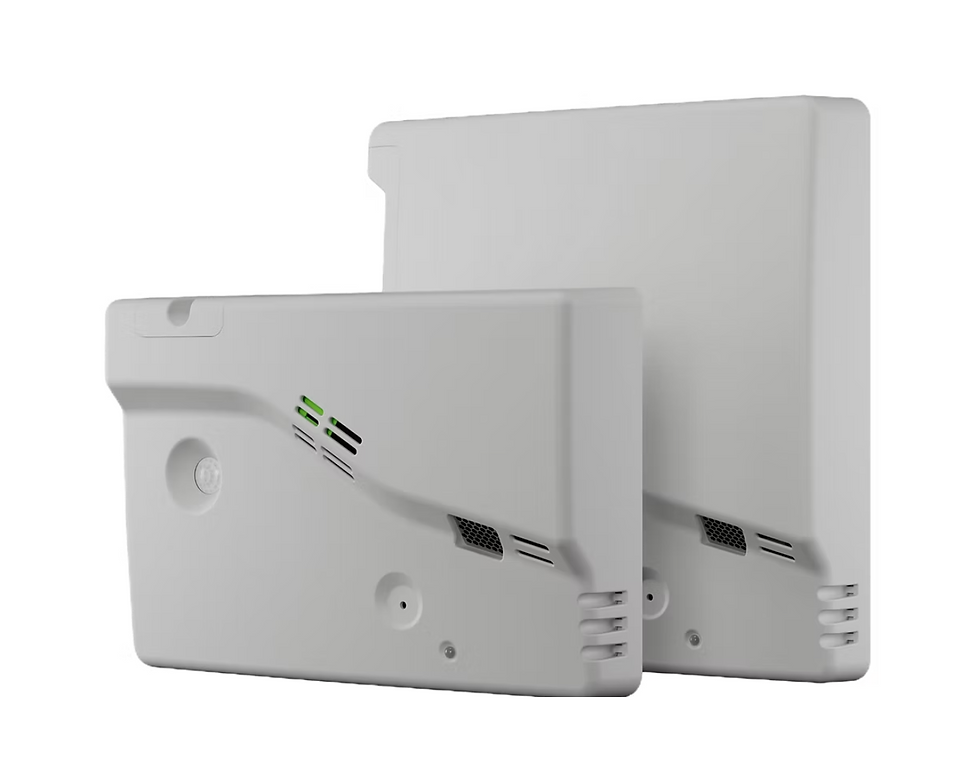
Zeptive vape detection systems are designed to support both compliance and communication. Our technology enables schools to:
Detect vaping events in real time without using cameras or audio
Provide clear and objective data to support policy enforcement
Customize alerts and sensitivity levels to fit school environments
Maintain full alignment with privacy expectations
By combining advanced detection with a privacy-first design, Zeptive helps schools communicate their efforts with confidence.
The Bottom Line
Implementing vape detectors is not just a technical decision, it’s about communication.
Schools that are transparent, proactive, and student-focused in their messaging are far more likely to build trust and achieve long-term success.
When privacy and safety are clearly positioned as shared priorities, vape detection becomes what it should be: a tool for protection and deterrence, not surveillance.
By The Zeptive Team
References:
National Institutes of Health (NIH).Electronic Cigarette Use and Indoor Air Quality. https://pmc.ncbi.nlm.nih.gov/articles/PMC6400481/
Vape-Free Indiana. (2023).Vape-Free School Toolkit. https://www.in.gov/vapefreeindiana/educators/index


Comments