
How Do Vape Detectors Work?
Updated: Aug 16
Key Points:
Vape detectors monitor for changes in the air caused by aerosolized particles released from e-cigarettes or vapes.
Advanced systems use a combination of particle sensors and chemical detection to improve accuracy.
Real-time alerts allow schools and organizations to respond immediately, without using cameras or recording devices in private spaces.
Let’s Start With the Obvious Question: What Is a Vape Detector?

A vape detector is a specialized environmental sensor designed to identify the presence of aerosolized particles produced by vaping devices. Traditional smoke detectors are designed to detect combustion events, such as fires, which produce many more particles than vaping. Unlike smoke detectors, vape detectors are designed to be more sensitive to the unique characteristics of vaporized liquids which are exhaled after delivering nicotine or THC to the lungs. Traditional smoke detectors are designed to detect combustion events, such as fires, which produce many more particles than vaping.
These devices are commonly installed in areas where vaping is difficult to monitor, such as school bathrooms, locker rooms, hotel rooms, and workplace break areas.
The Science Behind Vape Detection
At a basic level, vape detectors work by analyzing changes in the air. When someone inhales from an electronic cigarette, and then exhales they release a cloud of microscopic particles and chemical compounds.
1. Particulate Matter Sensors (PMS)
These sensors measure tiny particles suspended in the air. Vape aerosol contains fine particles that typically fall within specific size ranges (often between 0.3 and 10 microns). The sensor doesn’t just detect that particles are present, it analyzes:
Particle count (how many particles are in the air)
Particle concentration (how dense the cloud is)
Particle size distribution (how large or small the particles are)
This helps distinguish vaping from everyday environmental factors like dust or humidity.
2. Electrochemical (EC) Sensors
Electrochemical sensors detect specific gases and chemical compounds that may be present in the air.

These can include:
Alcohols
Carbon monoxide (CO)
Sulfur dioxide (SO₂)
Other airborne chemicals associated with vaping or combustion
By combining this chemical data with particle data, the system can better determine whether a detected event is likely to be vaping.
Why Combining Sensors Improves Accuracy
One of the biggest challenges in vape detection is avoiding false alarms.
Common indoor activities (like using body spray, cleaning products, or perfumes) can introduce particles into the air.
Zeptive’s multi-sensor approach helps solve this problem by:
Comparing particle patterns against known vape signatures
Filtering out background environmental signals
Cross-referencing chemical signals with particle data
This layered analysis allows the system to make more accurate distinctions between real vaping events and harmless environmental changes.
From Detection to Action: Real-Time Alerts
Once a vape detector identifies a likely vaping event, it doesn’t just store that data, it lets you know about it. Modern vape detectors provide:
Instant alerts sent to administrators or staff
Location-specific notifications so responders know where to go
Data logging to identify trends and repeat incidents
This allows organizations to respond quickly, rather than discovering violations after the fact.
Designed for Privacy
One of the most important aspects of vape detection technology is what it doesn’t do.
Zeptive detectors:
Do not record video
Do not capture audio
Do not collect personally identifiable information
Instead, they focus entirely on environmental conditions, allowing organizations to enforce policies while respecting privacy expectations.
Where Vape Detectors Work Best
Because they rely on air sampling, vape detectors are most effective in enclosed or semi-enclosed spaces, such as:
Bathrooms
Locker rooms
Hotel rooms
Offices
Break rooms
Hallways
Stairwells
Proper placement is key to maximizing detection accuracy.
The Zeptive Advantage
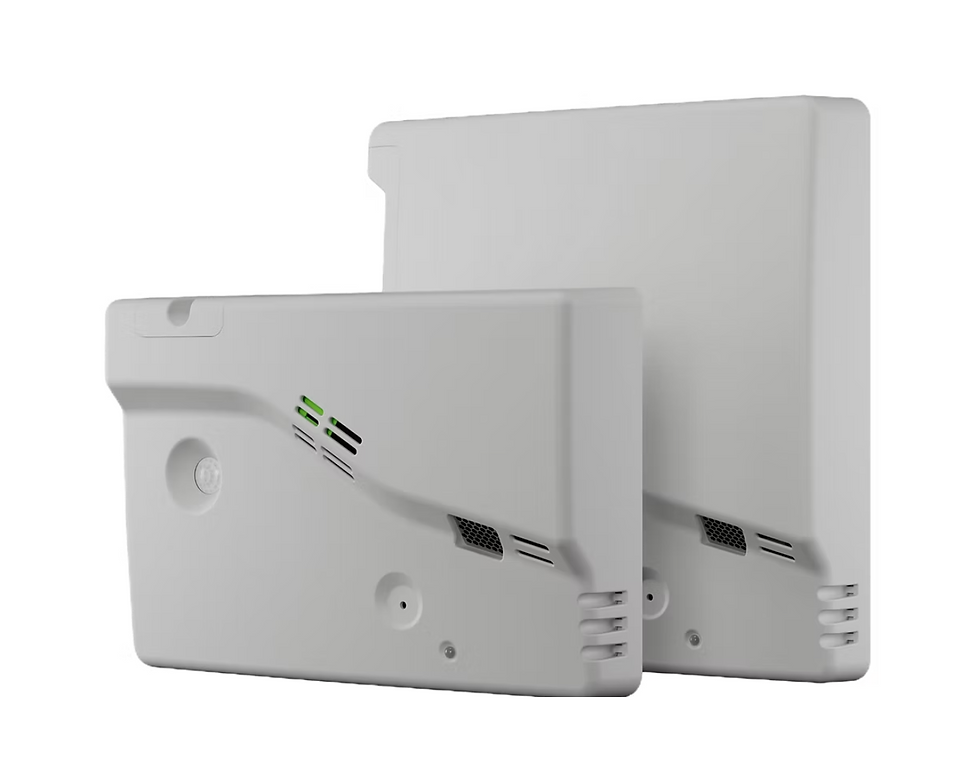
Zeptive vape detectors go beyond basic detection by offering:
Multi-sensor technology (PMS + EC) for improved accuracy
Customizable sensitivity thresholds based on environment
Tamper alerts if devices are blocked or disabled
Wireless, wired, or hybrid deployment options
Scalable solutions for schools, workplaces, hospitality, and other settings
Our systems are designed to adapt to real-world conditions, so organizations can rely on consistent and actionable data.
The Bottom Line
Vape detectors work by analyzing the air for the unique particle and chemical signatures created by vaping. With Zeptive’s advanced sensor technology and real-time alerts, they provide a powerful and non-invasive way to monitor indoor environments.
Zeptive combines precision detection with privacy-first design, helping organizations address vaping proactively while maintaining trust and compliance.
By The Zeptive Team
References:
Smart Pass. Do Vape Detectors Work in Schools? https://www.smartpass.app/blog/do-vape-detectors-work-schools
Lancer Spirit OnlineNew Vape Detector Installation Aims to Limit Vaping and Promote Student Health. https://www.lancerspiritonline.com/50122/showcase/new-vape-detector-installation-aims-to-limit-vaping-and-promote-student-health/


Comments