
How to Create a Comprehensive No-Vaping Policy for the Workplace
Updated: Aug 16
Key Points:
A clear no-vaping policy protects employee health, workplace safety, and indoor air quality.
Effective policies combine written guidelines, employee education, and consistent enforcement.
Vape detection technology can help organizations enforce policies fairly and reduce violations.
Why Workplaces Need a No-Vaping Policy
As vaping has become more common, many organizations are discovering that traditional no-smoking policies don’t fully address e-cigarettes or cannabis vapes.
Employees may assume vaping is permitted indoors because it produces less visible smoke than cigarettes. However, vape aerosol can still contain fine particulate matter, chemicals, and nicotine or THC, which can affect indoor air quality and the comfort of coworkers. For employers, this creates several challenges:

Protecting employee health
Maintaining a professional environment
Complying with workplace safety standards
Preventing property damage or odor buildup
A well-defined no-vaping policy helps address these issues while ensuring expectations are clear for everyone.
Step 1: Define What “Vaping” Means in Your Policy
A comprehensive policy should clearly define vaping so there is no ambiguity.
This may include specifically naming these types of vape products in the policy:
Nicotine e-cigarettes and vape pens
Disposable vape devices
THC or cannabis vapes
CBD vape products
Heated tobacco devices
By clearly identifying these products, organizations prevent misunderstandings about what is allowed on the premises.
Step 2: Specify Where Vaping Is Prohibited
Many workplaces extend existing smoke-free policies to include vaping. Common restricted areas include:
Indoor office spaces
Conference rooms
Bathrooms and break rooms
Hallways and shared workspaces
Company vehicles
Entrances and building perimeters
Some organizations also designate specific outdoor areas where vaping may be permitted, depending on company culture and local regulations.
The Hidden Cost: Guest Experience
Financial damage isn’t limited to maintenance expenses. If vape odors linger, the next guest may notice immediately. That can lead to:
Complaints or refunds
Negative online reviews
Lower guest satisfaction scores
Increased pressure on front desk and housekeeping staff
For hotels competing in a highly review-driven industry, even small issues can have a lasting impact on reputation.
Step 3: Communicate the Policy Clearly
Even the best policy is ineffective if employees don’t understand it.
Organizations should communicate the policy through multiple channels:
Employee handbooks
New hire onboarding materials
Workplace signage
Internal email announcements
HR training sessions
Clear communication helps ensure employees understand the purpose of the policy: protecting health and maintaining a respectful workplace environment.
Step 4: Create Fair Enforcement Procedures
Consistency is critical when enforcing any workplace policy.
Your policy should outline:
How violations will be identified
What documentation is required
Progressive disciplinary steps if violations occur
Typical approaches include verbal warning, written warning, and HR review or disciplinary action.
The goal is not punishment, it is accountability and consistency.
Step 5: Support Employees Who Want to Quit
Because vaping often involves nicotine addiction, some employees may need support to comply with workplace policies.Employers can help by providing access to:
Smoking cessation programs
Employee assistance programs (EAPs)
Educational resources on vaping health risks
Supporting employees who want to quit helps reinforce the policy as a health initiative rather than just a rule.
Step 6: Use Technology to Support Compliance
Enforcing indoor vaping rules can be difficult because vape aerosol dissipates quickly and often leaves little visible evidence. That’s why some organizations use environmental vape detection technology in sensitive areas like:
Bathrooms
Locker rooms
Break rooms
Stairwells
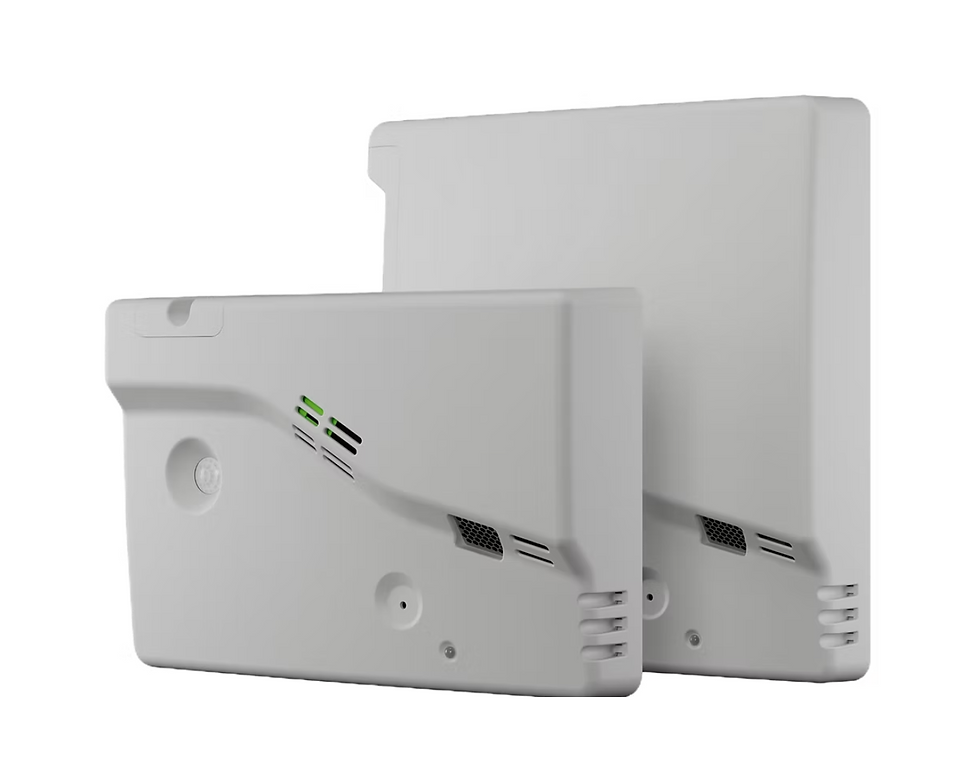
Zeptive detectors monitor the air for vape aerosol particles and send real-time alerts when vaping is detected. Importantly, these systems do not record audio or video, allowing companies to enforce policies while respecting employee privacy.
The Zeptive Advantage

Zeptive vape detection systems help organizations maintain healthier indoor environments with:
Discreet sensors designed for workplace environments
Real-time alerts when vaping is detected
Customizable sensitivity and notification settings
Wireless or hybrid deployment options for flexible installation
Data insights that support consistent policy enforcement
By combining clear policies with smart technology, employers can create workplaces that prioritize both safety and respect.
The Bottom Line
A strong no-vaping policy is an important part of maintaining a healthy workplace.
When expectations are clear, communication is consistent, and enforcement is fair, organizations can reduce indoor vaping while supporting employee well-being.
With the right policy, and the right tools, companies can protect their teams, their property, and the quality of the workplace environment.
By The Zeptive Team
References:
Centers for Disease Control and Prevention (CDC), National Institute for Occupational Safety and Health (NIOSH). Exposure to Electronic Cigarettes in Indoor Workplaces. https://www.cdc.gov/niosh
U.S. Environmental Protection Agency (EPA). Secondhand Smoke and Electronic-Cigarette Aerosols. https://www.epa.gov/indoor-air-quality-iaq/secondhand-smoke-and-electronic-cigarette-aerosols
Sleiman, M. et al. Indoor Air Quality and Passive E-Cigarette Aerosol Exposure. https://pubmed.ncbi.nlm.nih.gov/32445475/


Comments