
The Financial Cost of Vaping Damage in a Hotel Room
Updated: Aug 19
Key Points:
Vaping inside hotel rooms can lead to costly cleaning, repairs, and lost revenue.
Residue from vape aerosol can cling to fabrics, furniture, and HVAC systems.
Vape detection technology helps hotels protect their property and enforce no-vaping policies more effectively.
Why Indoor Vaping Is a Growing Concern for Hotels

For years, hotels have implemented strict no-smoking policies to protect guest health and prevent property damage. However, as vaping has become more common, many hospitality operators are facing a new challenge.
Unlike traditional cigarette smoke, vape aerosol often leaves less visible evidence, making it difficult for staff to detect after a guest has checked out. Yet the impact on hotel rooms can still be significant.
From lingering odors to damaged furnishings and unexpected maintenance costs, vaping indoors can quietly erode a hotel’s bottom line.
How Vaping Causes Damage Inside Hotel Rooms
Although vape aerosol may appear lighter than smoke, it still contains fine particles, chemicals, and oils that can settle on surfaces.Over time, these residues can accumulate on:
Upholstered furniture
Bedding and linens
Curtains and carpets
Walls and ceilings
HVAC filters and ventilation systems
The result is often a sticky film or lingering odor that requires professional cleaning to remove. In luxury or newly renovated rooms, these issues can quickly become expensive.
Cleaning Costs Can Add Up Quickly
When vaping occurs inside a hotel room, housekeeping teams may need to perform additional cleaning beyond standard turnover procedures.
Common remediation steps may include:
Deep cleaning upholstery and carpets
Ozone or air purification treatments
Replacing HVAC filters
Laundering or replacing linens and drapes
Repainting walls or replacing soft furnishings in severe cases
In some situations, the room may need to be taken out of service for hours or days, resulting in lost revenue during peak occupancy periods.
The Hidden Cost: Guest Experience
Financial damage isn’t limited to maintenance expenses. If vape odors linger, the next guest may notice immediately. That can lead to:
Complaints or refunds
Negative online reviews
Lower guest satisfaction scores
Increased pressure on front desk and housekeeping staff
For hotels competing in a highly review-driven industry, even small issues can have a lasting impact on reputation.
Why Enforcement Is Difficult Without Technology
Many hotels attempt to enforce no-vaping policies through guest agreements or cleaning fees. However, proving that vaping occurred inside a room can be difficult without reliable evidence.
Because vaping leaves fewer visible traces than smoking, staff often rely on:
Odor detection
Guest complaints
Suspicious behavior reports
Unfortunately, these indicators are often subjective and inconsistent. That’s why more hospitality operators are turning to vape detection systems to support their policies
How Vape Detection Protects Hospitality Properties
Zeptive’s vape detectors monitor environmental changes in the air rather than relying on cameras or invasive surveillance.
Zeptive’s detectors use advanced particulate and electrochemical sensors to identify aerosol signatures associated with vaping.
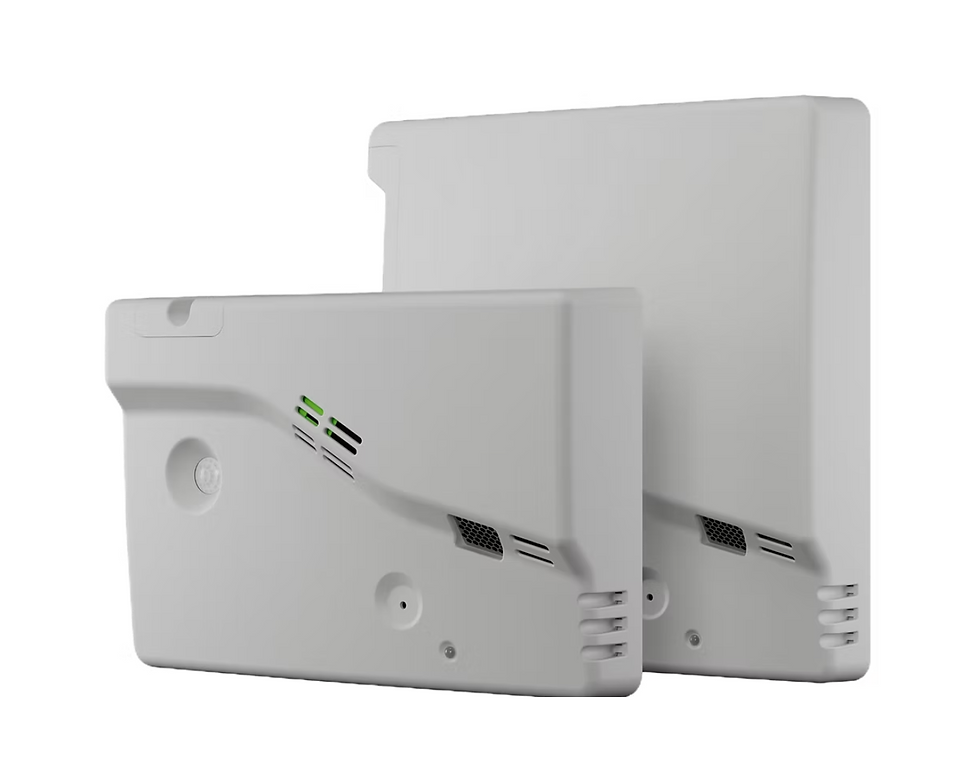
When a vaping event is detected, property managers can receive real-time alerts that allow them to:
Address the issue during the stay rather than after checkout
Document incidents to support policy enforcement
Protect rooms from repeated damage
Reduce disputes over cleaning fees
Most importantly, these systems help hotels maintain consistent enforcement of their no-vaping policies.
The Zeptive Advantage for Hospitality
Zeptive vape detection systems are designed to work in environments where privacy and protection must coexist.
Our detectors provide:
Discreet ceiling-mounted sensors ideal for hotel rooms
Real-time alerts when vaping occurs
Customizable detection thresholds for different room types
Wireless deployment with minimal installation disruption
Scalable solutions for hotels, resorts, and short-term rentals
Whether protecting a single boutique property or a large hospitality chain, Zeptive helps operators reduce property damage, protect guest experience, and enforce policies with confidence.
The Bottom Line
Vaping in hotel rooms may seem harmless to guests, but it can carry real financial consequences for property owners.
From cleaning costs and maintenance to lost bookings and negative reviews, indoor vaping can quietly add up to thousands of dollars in damage each year.
With proactive detection technology, hotels can shift from reacting after the damage is done to preventing problems before they impact the guest experience.
Zeptive provides the most advanced vape detection solutions available, helping hospitality businesses protect both their properties and their reputation.
By The Zeptive Team
References:
Centers for Disease Control and Prevention (CDC). Electronic Cigarettes and Secondhand Aerosol. https://www.cdc.gov/tobacco/secondhand-smoke/home.html
U.S. Environmental Protection Agency (EPA). Particulate Matter (PM) Pollution and Indoor Air Quality. https://www.epa.gov/pm-pollution
Sleiman M., et al. (2016). Emissions from Electronic Cigarettes: Key Parameters Affecting the Release of Harmful Chemicals. Environmental Science & Technology. https://pubs.acs.org/doi/10.1021/acs.est.6b01741


Comments